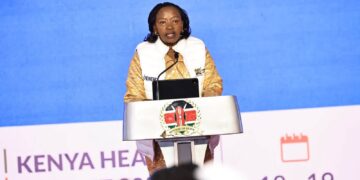
Starting January 2026, public institutions in Kenya will face a nationwide crackdown if they fail to provide childcare facilities for female employees, the Ministry of Health has announced.
Public Health Principal Secretary Mary Muthoni vowed to enforce the legal mandate, emphasizing that it is not optional and aims to create safe, reliable workspaces for mothers to boost overall productivity and reduce distractions.
“Lack of crèche facilities has become a growing concern, particularly among teachers, public officers, and students who are new parents,” she said.
“When mothers do not have safe and reliable places to leave their children, it affects their peace of mind, their work, and even their ability to learn.”
Muthoni revealed that the absence of proper childcare leads to distractions in workplaces and learning institutions, negatively impacting productivity and well-being.
She cautioned that many public institutions have not taken the law seriously, but the ministry will enforce it fully in January to demonstrate its legal weight.
“That assumption is wrong. This law is not optional. From January, we will enforce it fully to protect working mothers and their children,” she affirmed.
Shifting focus to related public health concerns in educational settings, Muthoni disclosed that ministry surveys indicate some learners are being introduced to drug abuse in schools and carrying these habits back to their communities.
“The school environment should be safe. Unfortunately, some learners are picking up harmful habits there and taking them back to their communities,” she said.
The Ministry of Health, in collaboration with the Ministry of Education, has adopted a joint approach to develop interventions and curb the crisis.
As schools reopen in January, teachers have been urged to remain vigilant: monitoring what learners bring to school, inspecting classrooms and dormitories where students spend most of their time, and intensifying checks on bags and personal effects.
Children have become major targets for manufacturers producing sweetened products that mimic legal substances, making them difficult to detect.
School principals, teachers, and discipline officers are directed to take swift action on any violations.
The future of children and the safety of communities across the country could be at stake if urgent and decisive measures are not implemented.