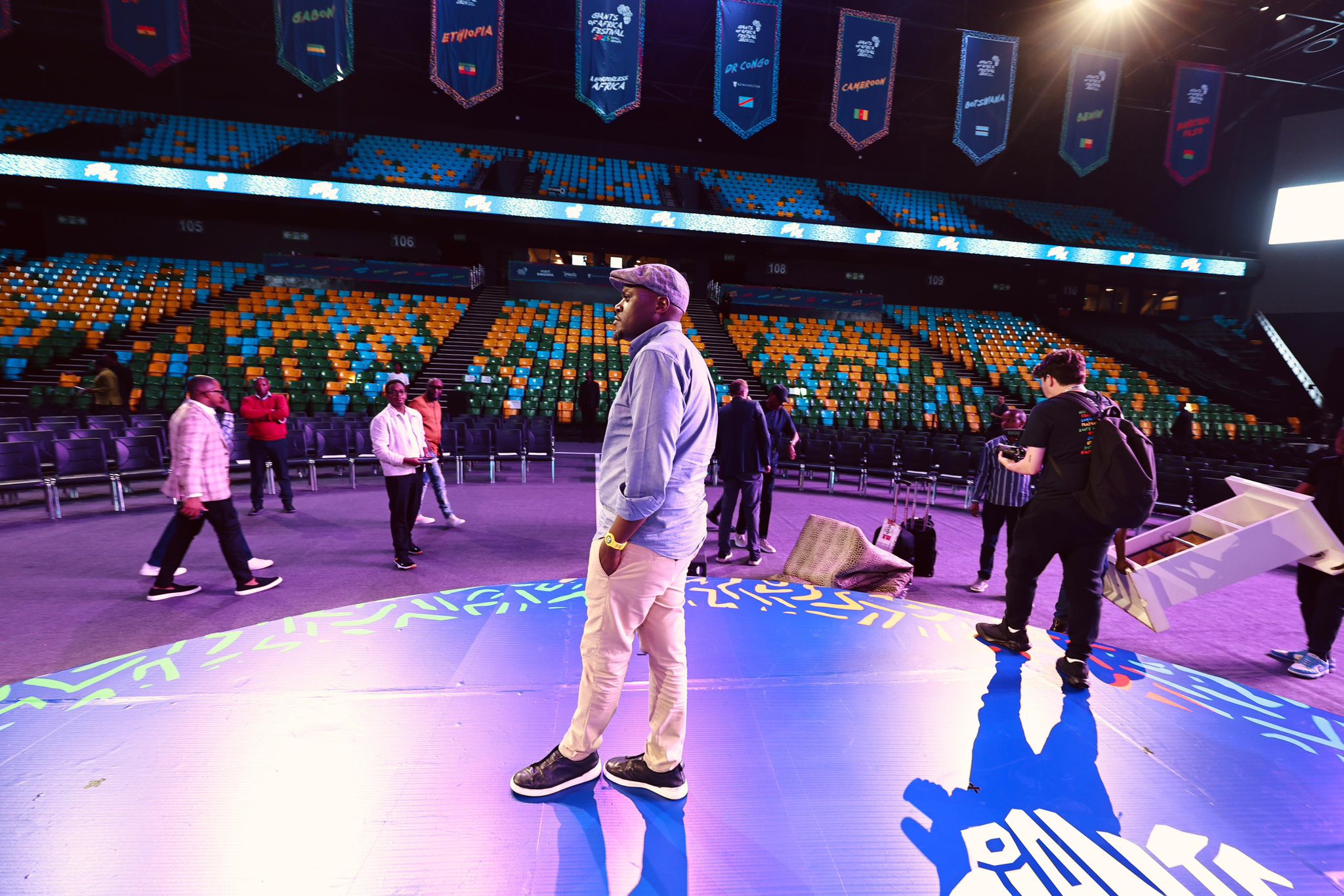
Nairobi Governor Johnson Sakaja has expressed optimism that once the Nairobi Railway City project is completed it will boost the capital’s sports, music and creative industries.
The arena is expected to anchor an integrated sports, entertainment and cultural district within the 13-acre Railway City development, a project built around the redevelopment of Nairobi’s central railway station and its surrounding yards into a multimodal transport hub.
“It is massive,” Mr Sakaja said. “Nairobi has always been a hotbed for talent, sports, music and the creative economy but has fallen short on infrastructure… This will go a long way in positioning us as the true sports, creative economy and entertainment heart of the continent.”
He said the planned arena would be larger and more advanced than facilities such as the Kigali Convention Centre, underscoring the city’s bid to compete for regional and international events that have increasingly bypassed Nairobi.
This is the first major project within the Railway City programme, which is designed to reposition the ageing Nairobi Central Railway Station as a high-capacity transit node capable of handling up to 30,000 passengers per peak hour, while integrating commuter rail with Bus Rapid Transit systems and other public transport networks.
The broader redevelopment includes office blocks, retail centres and light industrial zones, alongside plans pitched as environmentally sustainable interventions aimed at easing congestion in the central business district.
The project, estimated to cost Sh30 billion, will be partly financed by the United Kingdom government through a £80 million contribution, with the balance funded by Kenyan taxpayers.
Plans include laying about 45 kilometres of new railway track, constructing a new central station building and additional passenger platforms, building overbridges, and demolishing structures west of the current station.
The upgrade will also involve refurbishing heritage assets such as the Easy Coach House and establishing a new freight marshalling yard in Makadara.
The governor added that the project will transform Nairobi’s transport backbone, with the upgraded station expected to handle up to 30,000 passengers per peak hour and integrate commuter rail with Bus Rapid Transit systems and other public transport networks.