The Global Methodist Church parted ways with the mother outfit, the United Methodist Church based in the United States over differences touching on same-sex relationships and ordination of non-celibate gay clergy.
The new Church in Kenya is now headed Reverend Wilton Odongo, a Man of God who has been preaching for over two decades now. He spoke about how the GMC moved away from homosexuality.
Briefly take us through the events that transpired on March 10 in Nairobi?
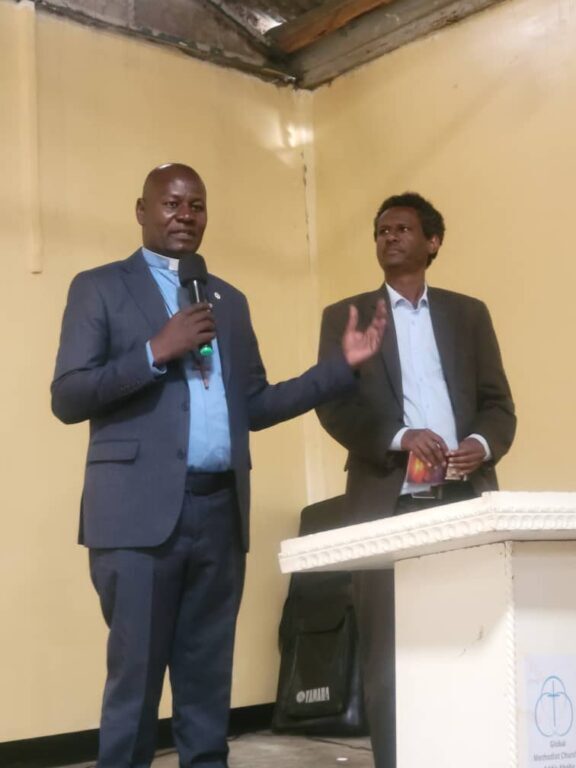
We were launching Global Methodist Church in Kenya officially after we separated from the United Methodist Church, which we were part of for many years. I have been a United Methodist for 29 years.
When did the process to part ways start?
We have been having delegates conferences in the United States every four years. In 2016 we had a general conference and there was this debate about same sexual ethics; either to accept same-sex unions in the church or ordain them as ministers and accept to serve.
The church resolved in a special conference to deal with matters of sexuality in 2019 and it was voted that it was not accepted by the unions.
What led to the disagreement?
Many conferences in the US voted in their dioceses that they were not going to uphold the decision of the general conference, and that was quite unfortunate.
So those members in the US lived as if we passed a resolution to accept homosexuals and that did not augur well with the conservative churches in the US and some in Africa.
After that, both sides, those supporting and those opposing, met and agreed to separate amicably.
What came to your mind at this point?
When they told us the truth about separation, we decided to go through the Bill that had been drafted and it was noted that those who don’t support homosexuality would form their own church.
How was the reaction from African churches?
Many Africans did not want to leave the United Methodist Church because it was about missions in Africa, including supporting schools and colleges. When it became apparent that those who remained are pro-same-sex unions, the Africans refused.
So you are starting from scratch?
Yes, that is why we held the first conference in Nairobi on March 10 and launched the Global Methodist Church. We stick to biblical tradition that does not accept camouflage in the Bible.
At the moment, we are educating our members and churches to know what we stand for and how we are going to move forward.
How many branches do you have?
We are about 98 branches in the country. Our doctrine is different from the mother church because we teach what the Bible teaches about the differences of human sexuality.
We don’t accept homosexuals to become pastors. We don’t accept them to officiate same-sex weddings and our church cannot ordain self-avowed homosexuals.
In our view, homosexuality is not compatible with Christian teachings. We have refused that and we cannot allow our church ministry to support the groups.
What happens to other pastors?
If you register with us that you want to become a member of the Global Methodist Church as a pastor, you sign to our social ethics that we don’t support homosexuality or their rights, but we teach what the Bible says about sexuality that man and woman should get married.
Has homosexuality found its way in Kenyans churches?
Yes, one of our former bishops from Uganda consecrated a church in Migori that accepts same-sex unions. As we speak, there are two churches in Kenya that have gone liberal in Kuria and Awendo.
Which criteria was used to appoint you as the leader of the Global Methodist Church?
I have been in the church for the last 29 years and I think they based my appointment on experience. The former church trained me and took me all the way to university level in Zimbabwe for a degree and masters.
I have also served in the church as secretary general for the last eight years, I have rubbed shoulders with senior people in the church system, and I understand the structures.
What was the reaction of the mother church after finding out you were breaking away?
We were with Bishop Scott Jones in the conference because this was the people’s decisions. He didn’t want us to go but we had to make a decision because it is a matter of faith.
Will parting ways interfere with funding from the mother church?
We are now independent because we are a different denomination. We are not in the United Methodist Church. We stopped being in their structures, including funding. Our African tradition does not allow homosexuality in church.
Another issue was that there was no accountability by bishops who could disobey church orders and do wrong things without being accountable.
How many countries are you overseeing?
I’m overseeing Kenya and Ethiopia, which have 10 branches with about 6,000 memberships. It is a tough journey ahead but we have crossed over.