Part 1
When he retired as a civil servant in Nairobi sometime in 2019, 60-year-old Yusuf Abdi did not want to go back to Wajir County where he was born.
He yearned to live in Nairobi and raise his children; that year, he heard about an affordable housing project in Ngara, this sparked his curiosity.
After several inquiries, he learnt that the project belonged to Nairobi County and the developer was Jabavu Enterprise that had been awarded the contract to deliver housing units in two years.
Convinced, he invested Sh1.7 million shillings, part of his retirement money, expecting to move into his home two years later.
Yusuf’s dream turned into a nightmare after the project stalled about a year later as developer Jabavu enterprise shifted completion dates.
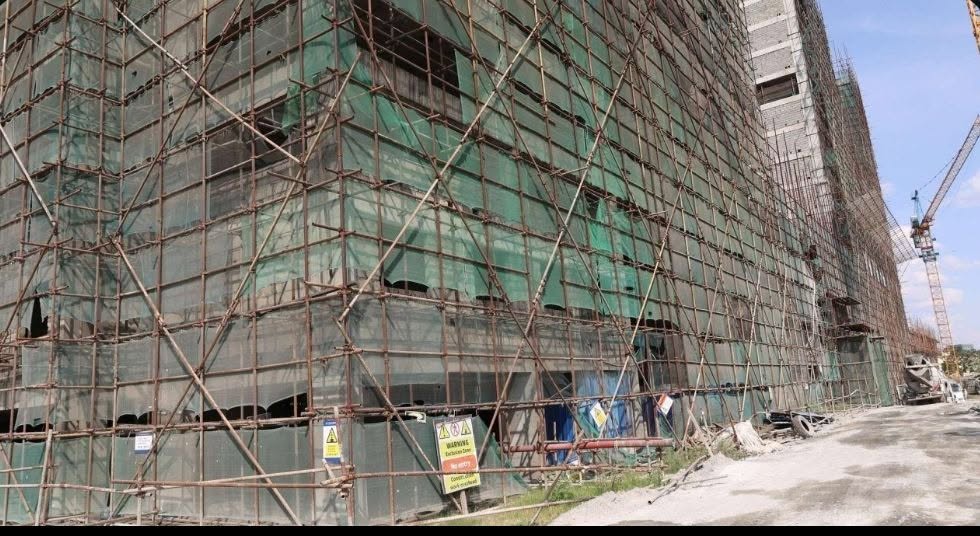
More than six years now, Yusuf and several Nairobi residents who sacrificed their money to buy a home at Jeevan jee housing are in tears, the developer is no longer available to give answers.
Some saccos also invested millions of shillings from member’s deductions to purchase the housing units.
Among them is Taqwa Sacco that committed more than Sh387 million towards the purchase of houses at the stalled Jeevanjee Housing Project in Nairobi.
Last week, the members alongside individual investors appeared before the Nairobi City County Planning and Housing Committee where they raised concerns over their hard-earned money in good faith.
Some buyers laid their frustrations bare while appealing to investigative agencies to probe the developer and establish why he pocketed thier millions then vanished.
The project has been marred by delays, shifting completion dates and what the investors describe as inadequate communication which has left them uncertain about when they will receive their houses.
Taqwa Sacco entered into an arrangement to acquire 200 mixed two- and three-bedroom apartments for its members.
The Sacco says its members have remitted approximately Sh387 million towards the purchase of the units.
The amount is part of the Sh600 million the Sacco members are supposed to remit for the units allocated to them.
The investors stopped further remittances after the project stalled in 2022, with the decision intended to allow construction to resume before members could continue making payments.
Taqwa Sacco Chief Executive Officer ( CEO) Dunia Jarso Abdi told the committee that Sacco acted as an agent for the investors who had been raising complaints over the project.
“For many of the beneficiaries, the investment represents years of savings and, in some cases, money borrowed specifically to secure a home,” she said
The project was initiated under the Affordable Housing Programme, with Nairobi Bachelors Jeevanjee Estate Limited allocated LR No. 209/5458 in 2019 for development of the housing project.
The development was expected to provide affordable homes in the heart of Nairobi, but construction has been dogged by delays and disputes, leaving buyers frustrated.
Imani Hamisi who is a beneficiary and Secretary of Jevanjee Housing project revealed that several completion dates have been announced over the years, only for the deadlines to pass without the houses being handed over.
“Among the dates communicated to investors were October 2022, August and October 2024, May 2025 for two towers, June 2025, November 2025 and April 2026,” she said
The beneficiaries say explanations have also included delays attributed to the Covid-19 pandemic, while at various stages they were informed that doors, windows and other fittings were either being delivered or awaiting clearance at the port.
The investors say they are increasingly concerned about the safety of their money.
“We have waited for many years and remained patient despite repeated delays. We now need transparency, accountability and a clear explanation of what is happening to our investment,” Tatusi Issa Kioko who is a member of the Sacco said.
The concerns come against the backdrop of wider questions surrounding the financing and ownership arrangements of the Jeevanjee project.
The Nairobi City County Assembly has previously raised questions over the use of the title to the property, LR No. 209/5458, in connection with financing arrangements.
There have also been concerns over an alleged Sh1.9 billion facility obtained using the property as security, issues that have attracted the attention of county legislators.
The beneficiaries say such questions make it even more important for all parties involved to provide a comprehensive account of the project, including the financial arrangements, construction status, outstanding works and obligations to purchasers.
The investors are particularly keen to know whether their payments remain fully secured and how the project can be completed without further financial losses to the intended homeowners.
In the next article, we reveal the faces behind Jabavu village enterprise