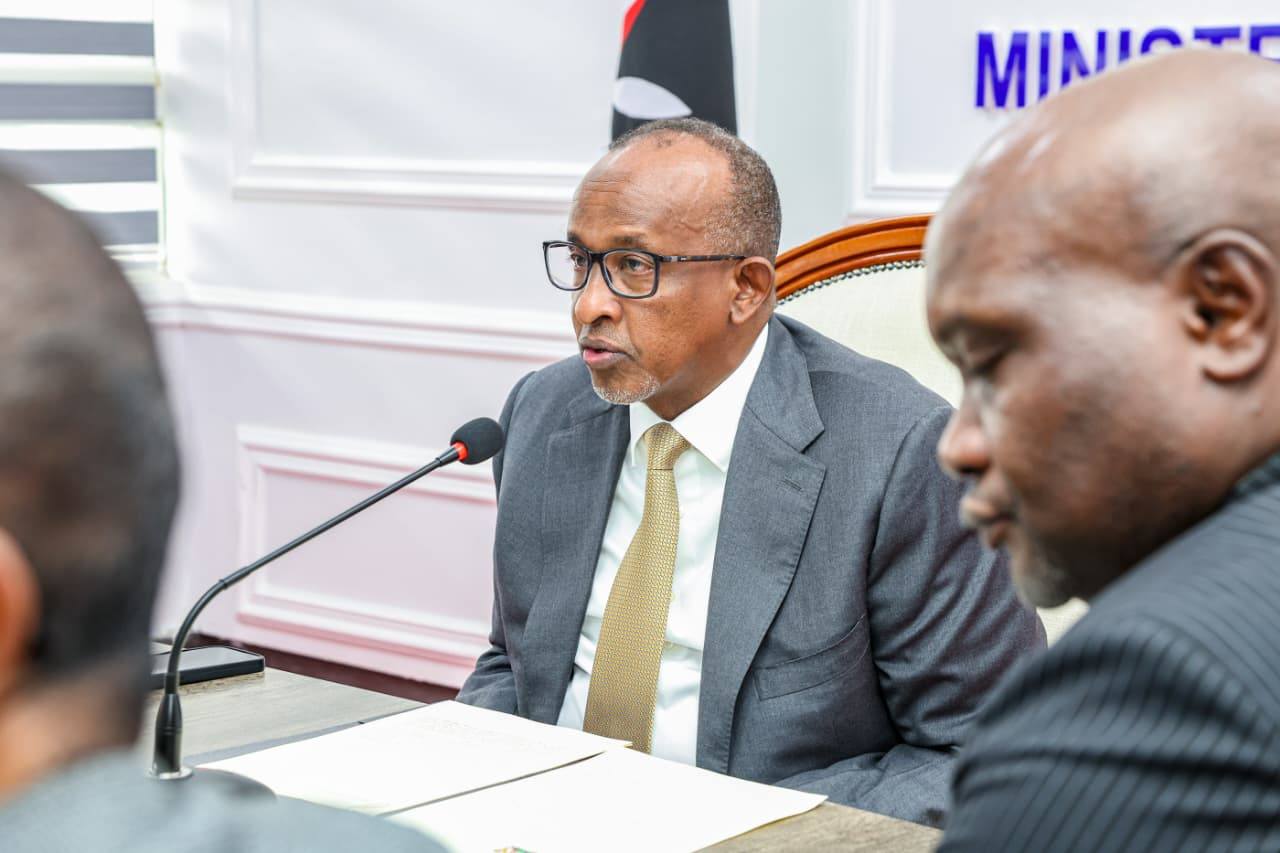
Kenya is geared towards fastening health security by setting up new isolation facilities and partnering with the US government to combat emerging disease threats.
As the Ebola outbreak persists in the Democratic Republic of Congo, Kenya is moving decisively to safeguard its population through enhanced surveillance, robust border controls, and state-of-the-art isolation infrastructure.
The ongoing crisis in the DRC underscores a critical truth: infectious diseases respect no borders.
As East Africa’s premier hub for trade, aviation, and regional connectivity, Kenya is proactively reinforcing its public health defenses to detect, contain, and respond to threats before they escalate. Effective protection requires more than passive screening at entry points.
It demands a comprehensive, multi-layered system grounded in continuous surveillance, advanced diagnostics, and fully equipped treatment facilities established in advance of any outbreak.
In a statement issued by Health Cabinet Secretary Aden Duale, the government has “activated dedicated isolation and treatment units at Kenyatta National Hospital, Kenya National Police Hospital, and Moi Teaching and Referral Hospital (MTRH).”
Additionally, “high-readiness sites have been identified across more than 10 border counties to enable swift containment should any case emerge,” he added.
Duale also confirmed a strategic partnership by the Kenyan Government with the United States Government to establish a specialized isolation and response facility at a military installation in Laikipia.
This initiative has sparked notable public discussion and ripples across the country, with some citizens among Kenya Medical Practitioners and Dentist Union (KMPDU) expressing concerns over the presence of American personnel and potential quarantine protocols for Ebola cases involving US citizens or partners.
While the collaboration aims to enhance national capacity, it has ignited debates around sovereignty, biosafety transparency, and the socio-political implications of hosting international health security assets on Kenyan soil and bypassing other immediate neighboring countries.
“This partnership will significantly boost laboratory capacity, emergency preparedness drills, medical supply chains, and rapid response teams,” Duale noted.
“These strategic investments are strengthening Kenya’s overall health security enhancing infrastructure, workforce readiness, and surveillance systems not only for Ebola, but for future public health emergencies.”
The move builds on proven lessons from the past. Kenya has already witnessed the long-term benefits of such foresight through the regional health facility established at Nairobi Hospital during the COVID-19 pandemic, which continues to serve the nation effectively.
“By investing in stronger health systems today,” Duale emphasized, “Kenya is building lasting resilience against tomorrow’s threats.”