In the vast, sun-scorched expanse of northern Kenya, Marsabit County lies a major problem of insecurity, that has for the past decades eroded the peace of the residents.
For decades, its arid plains and rugged hills have been scarred by intercommunal conflicts, cattle rustling, banditry, and the shadow of cross-border threats from neighboring regions.
The Borana, Gabra, Rendille, amongst other communities have in the past suffered violence, where livestock raids often escalated into deadly confrontations, displacing families and stifling development.
By early 2025, the situation had reached a tipping point. Reports of armed clashes, livestock theft, and occasional murders painted a grim picture.
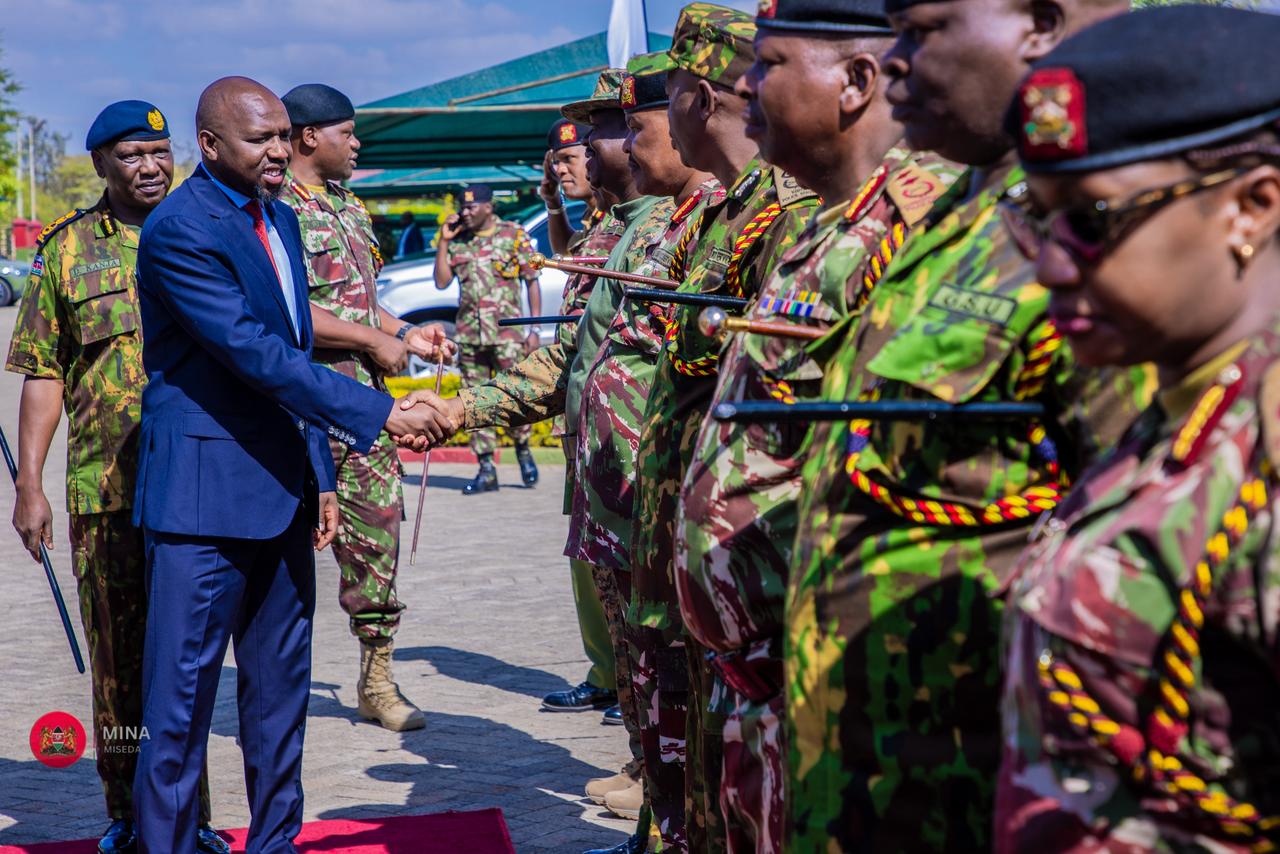
In response, Kenya’s Interior Cabinet Secretary Kipchumba Murkomen, a firm believer in decisive action, stepped with a structured, multi-agency enforcement to beef up security in the areas declared “security-disturbed and dangerous” zones for another 30 days.
The designation of the areas as highly dangerous and security disturbed may be withdrawn or extended further at his discretion.
The fresh extension, announced in a gazette notice dated Friday, December 19, 2025, will take effect on Monday, December 23, 2025, at 6:30 p.m. and runs through January 22, 2026.
These areas include Hillo Gorgora, Hillo Orofa, Hillo Walkite, Hillo Tanzania, Hillo Irress Abamartille, Hillo Gootu, Hillo Tessum Qalicha, Hillo Karray, Hillo Hudda, Hillo Qoranjido, Hillo Irress Shindia, Hillo Rabaalee and Hillo Godde Haroressa.
“The Cabinet Secretary for Interior, in consultation with the National Security Council, extends the declaration made on November 21, 2025, declaring parts of Marsabit County as security-disturbed and dangerous.
This notice shall take effect on December 23, 2025, as of 6.30pm, for 30 days and may, at any time, be withdrawn or continued in force for such further period as the Cabinet Secretary may,” CS Murkomen noted.
Adding muscle to the government’s stance, Inspector General of Police Douglas Kanja issued a separate order banning possession of firearms in the 13 areas.
“Anyone holding a gun must surrender it immediately to the nearest police station or National Government Administration office. According to Kanja, all arms surrendered would be returned to lawful owners upon the revocation or termination of the said notice.”
The area has been under a tight surveillance from National police service, General Service Unit since last year September.
The areas were first declared dangerous on September 3, 2024. The declaration was subsequently extended in October 2024, and further in May 2025, when CS Murkomen oversaw the launch of Operation Ondoa Jangili (“Remove the Criminals”).
On November 29, 2025, members of the Administration and Internal Security Committee visited the affected areas, where they held discussions with local leaders, residents, and security officials.
After assessing the situation on the ground, the MPs concurred with the local leaders, residents, and security officers that the notice declaring the areas dangerous should be lifted.
The operation targeted criminal hideouts in Marsabit and neighboring Isiolo counties, aiming to dismantle networks fueling insecurity.
During a high-profile visit to Marsabit as part of his nationwide Jukwaa La Usalama (Security Forum) tour, Murkomen received detailed briefings on progress
CS Murkomen hailed the recovery of hundreds of illegal firearms and ammunition, noting that the operation had begun pacifying a region long denied peace.
This year, in July, CS Murkomen extended the tight security in bid to facilitates enhanced operations amid ongoing concerns over lawlessness and armed clashes. He labelled security as the foundation for development.
The move to having police reservists, intelligence sharing, and community policing yielded positive results. “Operation Ondoa Jangili has done a lot in pacifying the region,” he affirmed.
He commended local leaders for fostering unity and urged residents to collaborate with authorities by providing information. It was notably seen that residents in areas like Turbi reported freer movement, with roads once feared now safe for travel.
The operation disrupted criminal networks, including those involved in drug trafficking and illicit arms smuggling from porous borders. However, the proliferation of small arms and occasional political interference remained a minor task
He had pledged continued support, including arming local administrators in high-risk zones and integrating technology for better coordination. His efforts in Marsabit has been a major turning point from a reactive firefighting to proactive, sustained intervention.
The region has now begun to breathe easier, with the residents’ peace, long elusive was finally within their reach