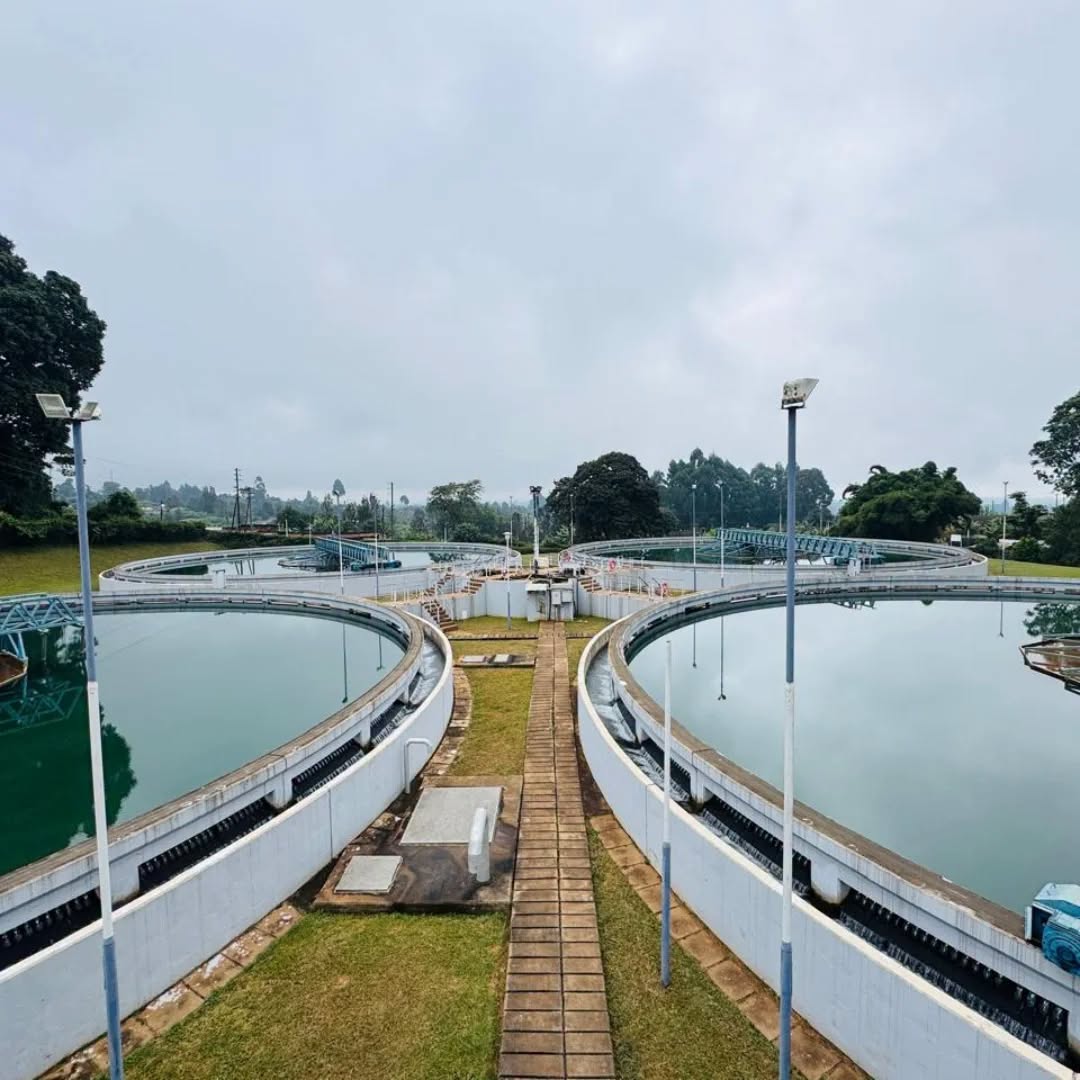
Nairobi City Water and Sewerage Company (NCWSC) is quietly rewriting its history.
Once a byword for perceived tender scandals with suppliers losing trust in engaging the Company, the utility is now held up as an example of what happens when a public entity follows the Public Procurement and Asset Disposal Act, 2015 and Regulatikns to the letter.
The law, which gives life to Article 227 of the Constitution, requires public buying to be fair, transparent, competitive and cost-effective. For Nairobi Water, officials say, compliance has earned the company a clean bill of health on procurement.
At the centre of the turnaround is Wilfred Maloba, the Acting Supply Chain Manager, the face of the company’s procurement reforms.
“e-GP is now the official procurement system and we must comply,” Mr Maloba told staff during training on the Electronic Government Procurement (e-GP) system at Mwea in September 2025.
He said the company’s homegrown system, iProc, remains valuable, but it must be integrated with e-GP to ensure compliance.
That is the new philosophy: plan, advertise, evaluate on the tender criteria, award to the lowest evaluated responsive bidder, publish and keep the record.
The company was incorporated on December 2, 2003 and launched on August 19, 2004. It took over water and sewerage services from the Water and Sewerage Department of the then City Council of Nairobi.
The move followed the Water Act 2002, which separated water resources management from service provision, to create an autonomous, commercial utility, insulated from politics.
Nairobi Water inherited about 2,300 staff, old pipes, old debts and old habits. It was licensed by the Athi Water Services Board to serve Nairobi, from its Kampala Road headquarters.
For years, the promise was bigger than the performance. In 2009, the entire board was dismissed amid corruption claims.
Today, under Managing Director Martin Nang’ole and Board Chair Arnold Karanja, the company says that era is over.
The Senate County Public Investments Committee commended Nairobi Water for improved accountability. The company collected a historic Sh12.6 billion in the last financial year, one of its highest ever.
Tenders such as the Kikuyu 1 Springs Intake Flood Protection Works are now reserved for youth, women and persons with disability under the Access to Government Procurement Opportunities (AGPO) programme. There is no hidden tender. No secret award.
Suppliers who feel aggrieved can appeal to the Public Procurement Administrative Review Board (PPARB). That, officials say, is what a clean bill means. Not perfection, but a system that can catch and correct mistakes.
If you follow the Act, he says, PPRA will protect you. If you break it, it will expose you to consequences of non compliance